Hip Hop Built an Empire. Its Pioneers Still Aren’t Getting Paid.
Hip hop is the most popular music in the world. It moves fashion, sells sneakers, runs the Super Bowl halftime show and soundtracks the biggest video game ever made. But a lot of the people who built it from nothing are still struggling to pay their bills.
A new report from venture firm Andreessen Horowitz, titled “Hip-Hop Has No Social Security. Paid in Full Is Trying to Change That,” puts a spotlight on that gap and on one effort to close it.
The story that says it all
Take Grandmaster Caz. His rhymes ended up on the Sugarhill Gang’s “Rapper’s Delight,” a record that sold at least 2 million copies. Big Bank Hank recorded verses straight out of a rhyme book Caz had lent him when he was 18. Caz never got a songwriting credit or a cent in royalties.
Meanwhile, Chic, whose “Good Times” was sampled on the same record, won their publishing rights and royalties through a legal settlement. The difference, the report suggests, came down to who could afford experienced lawyers. Some Sugar Hill rappers spent decades in court trying to recover what they were owed.
Caz isn’t alone. DJ Kool Herc, widely recognized as one of the founders of hip hop, didn’t have health insurance and had to raise money online for kidney stone surgery in 2011.
What Paid in Full is doing
Ben and Felicia Horowitz started the Paid in Full Foundation to help artists whose contributions far outweighed what they earned. The foundation gives unconditional five-year grants, modeled on Quincy Jones’s work with the Jazz Foundation. Recipients include Rakim, Scarface, George Clinton and Roxanne Shanté.
Artists have used the grants to buy homes, pay medical bills and finally finish projects they’d put off for years. Grandmaster Caz was living in public housing before his first grant.
The name comes from Eric B. & Rakim’s classic album. Ben Horowitz has said he bought Paid in Full for $10 and has gotten at least $5 million worth of value out of it, and that some of that value should go back to the artists who made it.
At this year’s Hip Hop Grandmaster Awards in October at the Bellagio in Las Vegas, Caz and Nile Rodgers performed together for the first time, with Rodgers and Chic backing him. Decades after “Rapper’s Delight,” the two sides of that record finally shared a stage.
Our take
This is one of the most important conversations in hip hop, and it doesn’t get talked about enough. Grants like these are life-changing for the people who get them, but a handful of grants a year can’t repay a whole generation’s lost royalties. The real fix has to come from the industry itself: fair credits, fair contracts and some kind of safety net for the artists who made all of this possible.
Every time a hip hop record goes platinum, a stadium sells out or a brand cashes in on the culture, somebody gets paid off the work the pioneers did. Too often, it isn’t the pioneers themselves. That has to change.
Which pioneer do you think deserves their flowers most? Tell us.
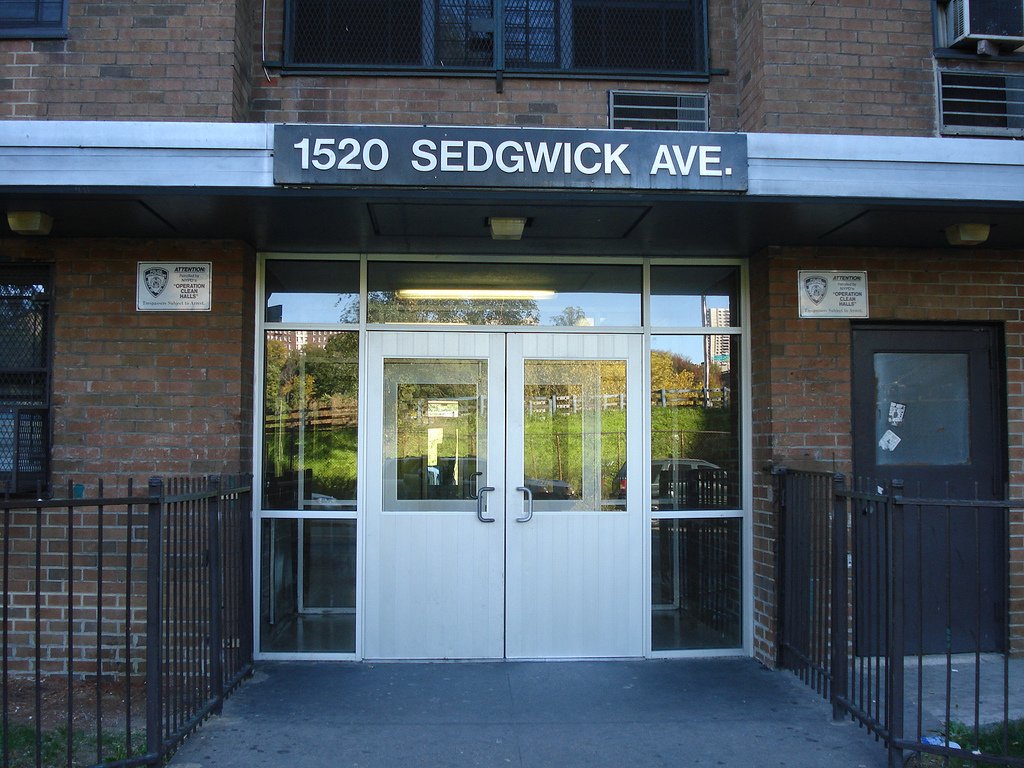
Photo: “1520Sedgwick Avenue” by Stephanie Morillo, CC BY-SA 2.0, via Wikimedia Commons.